This blog Is a massive reading review on books and pictures including study for semester 2: Storyboarding and other reviews. I am doing a massive post of what I think on each book with a rough description and a thought and intention of what I want to do or how its making myself involve as a person for my future career into teaching.
My trip to Newcastle Library (on the street near Five Guy):
Who Wants To Be A Poodle I don’t:
I found so many books in the children’s section in the library I found Lauren Child’s work. She’s the woman who created Charlie and Lola. I found her book Who Wants To Be A Poodle I don’t (Child, 2011), I liked looking into this book because it was textured (as seen in image the front cover) it was also texture through out. I found ideas for the multi textual children’s book and figured that her style of work can be incorporated into my own. Her name was mentioned before to me in a one to one session with my skills support worker on campus. I thought it was a sign to find her book and place it into my research pile.
Goblins vs Dwarves:
Continuing into me being nosey and in a kids section at the library; I got some really funny looks. I came across this book by Phil Reeve called Goblins vs Dwarves (Reeve, 2012) Its a funny book with some really simple illustration and personally it has no connection to my project however I did like the contrast in colour and the block style layout. I have came to an idea for my final show that I could create a multi textual feeling board with layers and textured materials and this book has the style layout of which I could incorporate into my work. With thought and consideration this book could help with my further ideas for the project in hand.
Billy and the Mini Monsters:
This book is just a mash up of crazy and fun; My kind of style. I love how the monsters look and the colours combination with the blues, pinks and greens just screams to me kids will love this. Again this book Billy and the Mini Monsters by Zanna Davidson (Davidson and Williamson, 2018) had made me think about my final show and how am I going to grab a child’s attention to my multi textual children’s book (or feeling board/banner) and my final thoughts are colours make it as bright and as big to help with the connection to children and children with learning difficulties and disabilities.
Uncle Montague’s Tales of Terror:
Yes, I know. This book doesn’t seem to fit the theme I am going for with the multi textual children’s book however I am just staying open minded. As an artist you do have to cross some boundaries into our research before make a complete final decision and that for me is looking at a few books like this one which is Uncle Montague’s Tales of Terror (Priestley and Roberts, 2016). I did pick this book up with a large form of do I review or do I not. Until I looked in at the inner cover and I was in-love with the bright red and line work inside of this book. I didn’t manage to find out what the story is about; Yet again I have not read the books. Only figured how and what can I take from an artist perspective. My intake was by the inside cover, I had a brilliant idea that possibly I could do this line style in my project to help with outlining the fox character and the background so that children who are visually impaired are able to feel for the fox and which ever environment he is in. All this from an inside cover of a children’s horror book. See being open minded with your research can turn an idea into possible investment value.
Pepe Takes A Tumble:
Animals. Thats correct, I looked at this book and first thought “I’m doing a multi textual children’s book about an animal” which is how I am now doing a review on Pepe Takes A Tumble (Gray and McQuillan, 2018). I am going to review more on the character layout pages and the environment pages than the front cover. I liked the layout on getting to know the characters and having an idea on myself creating a layout page of foxes to help with the multi textual children’s book. I found an idea for my final show and have the layout on a single board with raided outlines and fur attached. The background idea came with what I already have done for my multi textual children’s book but wanted to find some shading and highlighting inspiration for my final product for the project I am doing for the end of the year and final show.
You Choose In Space, The Dangerous Alphabet, Where teddy Bears Come From, Oh No, George! and Touch and Feel PlayTime:
I mentioned before I a post I did, that I looked at Wheres Wally books. From that I now found a book called You Choose Space (Goodhart and Sharratt, 2017) from the illustrator of The Story Of Tracy Beaker Nick Sharratt (Wilson and Sharratt, 2013) they presented a chaos book about a space adventure and you picking where and what you want to do in this space made for yourself. I loved this style of book as I made an illustration called spot the fox and it was styled like Martin Handford’s (Handford, 2019) work. Taking on board that I have already created an idea for this style I am considering for my final show the spot the character or feel for the character style hence the reason of looking into this book and noting down what I could take from this. Looking further down the line of research. I came across a few other books like The Dangerous Alphabet (Gaiman and Grimly, 2008), Where Teddy Bears Come From (Burgess and Ayto, 2009), Oh No, George! (Haughton, 2015) And Touch and Feel Playtime (Feel, 2013). I looked at these book in a wide mind set as I wanted to note that all children’s books have a different agenda and what is out there in the publishing environment that can help with my work getting noticed or even maybe published. An example of different is the Dangerous Alphabet (Gaiman and Grimly, 2008) the grimy and rugged style reminds me of the Grizzly Tales for Gruesome Kids (Rix, 2011) I know that this doesn’t fit with the theme of what I am doing but I am basing my book about every child so this does include children who like a little bit of gore. I did only just look at this book due to the fact that I liked the art style and not for my project, this is why its included into my research.
However these books Where Teddy Bears Come From (Burgess and Ayto, 2009), Oh No, George! (Haughton, 2015) And Touch and Feel Playtime (Feel, 2013) are quite similar in theme and what I am looking at for age group and for my target audience therefore I am include these into my research. Touch and Feel book is perfect for the idea that I am pursuing and this one of the collect of the Touch and Feel book is quite different I looked through it and was amazing that the paint pots were sticky. Never over my time of doing research for my multi textual children’s book have I came across a book that that this texture, I did like it though. The other two books I looked at for the art style and the choppy yet slick character design took an interest to me. I think I looked into these book more for the respect of the illustrators work than taking on ideas for the multi textual children’s book. Although I do like the contrast of colours and since my start of the research I have came to really appreciate how much colour is important for children’s book and how its needed for my studies into children with learning difficulties and disabilities. My overall thought analysis is that my studies I did for my case studies is that I understood that colours are important to children with visually impairment but now I have came to an understanding that colour in books are highly important for children in general. So therefore I am taking on this study and incorporating it into my multi textual children’s book and my final show.
Story Board Research:
This is the section that I am showing my research into story boards and will be making another post on the actual story boards that I have done and the script for the idea for my multi textual children’s book which will have the name reveal for the book also. For now this is the research of what I like and what I want to intake from the books.
Illegal:
Now with this sorta title I have to admit I was really surprised this was in a kids section of a library. Then again I did think maybe it was for educational purposes. Which is partially a reason of why I picked up this book to look at, I thought that My multi textual children’s book is intentionally to help with educating children and children with learning difficulties and disabilities on their awareness with animals and their surroundings hence the reason its multi textured and potentially include braille. Illegal (Colfer, 2018), Is another reason I picked up this book is for the layout of story boarding. Now I could go into so much detail and individually pick out each book stating what and why but I think its best to just go through what I found had what I looked at in this one section. (don’t worry I’ll provide the imagery)
Dr Jekyll and Mr Hyde (Stevenson, 2018) is another comic that I picked up from the children’s section as just like Illegal I found the layout to be identical, as seen Imagery below.
I also looked at a book called Footpath Flowers (Lawson and Smith, 2015) of which I found a section of the book with panelling which has gave me an idea for my storyboarding, I like the idea of the sectors being black and white with a hint of red representing the little girls coat. This is an idea I want to include with my development and experiments with my own storyboarding.
by looking at Footpath Flowers I thought about different methods on how storyboards can look which lead me into looking at books on story boarding like Don Bluths the art of storyboard (Bluth, 2005) and the storyboard design course (Cristiano, 2008) . Both books made me look at what type of storyboards there are like from block boards which are private audiences, sketched boards which are for notes and sketches with details, action sequences which is a full sketch scene and cleaning up which is a clean drawing. Sources from Don Bluths book I found that he was Disney’s illustrator his creations are from A Troll In Central Park (A Troll In Central Park, 1994) and All Dogs Go To Heaven (All Dogs Go To Heaven, 1989), the book taught me about sketches and layouts which teaches about how camera structure is important its the same with a children’s book, Finding the key point in what you are looking for and how to express it. Of what I can take away from this book is that it has shown how to layout and structure a storyboard of which will guide me to the book in the end run. I have been taught that creativity in storyboards is key to a good book or film (in Bluths purpose). My favourite quote from this is “read the script and come to believe it” (Bluth, 2005) I think this is amazing quote to live by as a person who studied Film and Tv before going into animation and illustration. Script is the vital part for production and post production and from what I can see its the same for my storyboarding it can become a visual script and guideline to the multi textual children’s book.
Bibliography
A Troll In Central Park. (1994). [film] Directed by D. Bluth. Hollywood: Walt Disney.
All Dogs Go To Heaven. (1989). [DVD] Directed by D. Bluth. Hollywood: Walt Disney.
Bluth, D. (2005). Don Bluth’s the art of animation drawing. Milwaukie, Or.: DH.
Burgess, M. and Ayto, R. (2009). Where teddy bears come from. Atlanta: Peachtree.
Child, L. (2011). Who wants to be a poodle, I don’t. London: Puffin.
Colfer, E. (2018). Illegal: A graphic novel telling one boy’s epic journey to Europe. London: Hachette Children’s Group.
Cristiano, G. (2008). The storyboard design course. London: Thames & Hudson.
Davidson, Z. and Williamson, M. (2018). Mini Monsters to the rescue.
Feel, T. (2013). Playtime. London: Dorling Kindersley.
Gray, K. and McQuillan, M. (2018). Pepe takes a tumble. Get well friends.
Gaiman, N. and Grimly, G. (2008). The dangerous alphabet. New York: HarperCollins.
Goodhart, P. and Sharratt, N. (2017). You choose in space.
Handford, M. (2019). Martin Handford | Kidsreads. [online] Kidsreads.com. Available at: https://www.kidsreads.com/authors/martin-handford [Accessed 17 Mar. 2019].
Haughton, C. (2015). Oh no, George!. Somerville, Mass.: Candlewick Press.
Lawson, J. and Smith, S. (2015). Footpath flowers. London: Walker Books.
Priestley, C. and Roberts, C. (2016). Uncle Montague’s tales of terror. London: Bloomsbury.
Reeve, P. (2012). Goblins vs Dwarves. London: Marion Lloyd.
Rix, J. (2011). Grizzly tales for gruesome kids. [United Kingdom]: J. Rix.
Stevenson, R. (2018). Dr. Jekyll And Mr. Hyde. US: Tritech Digital Media.
Wilson, J. and Sharratt, N. (2013). The story of Tracy Beaker. London: Vintage Books.

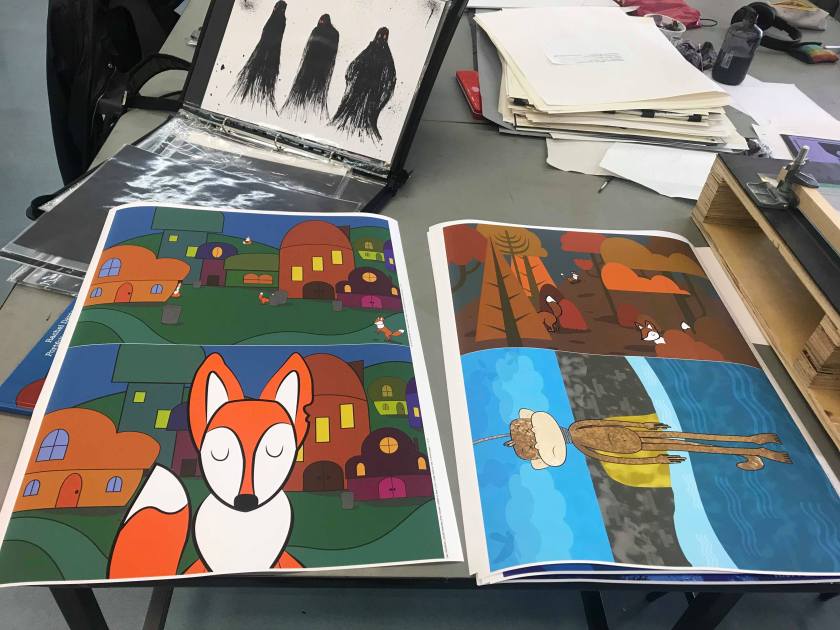


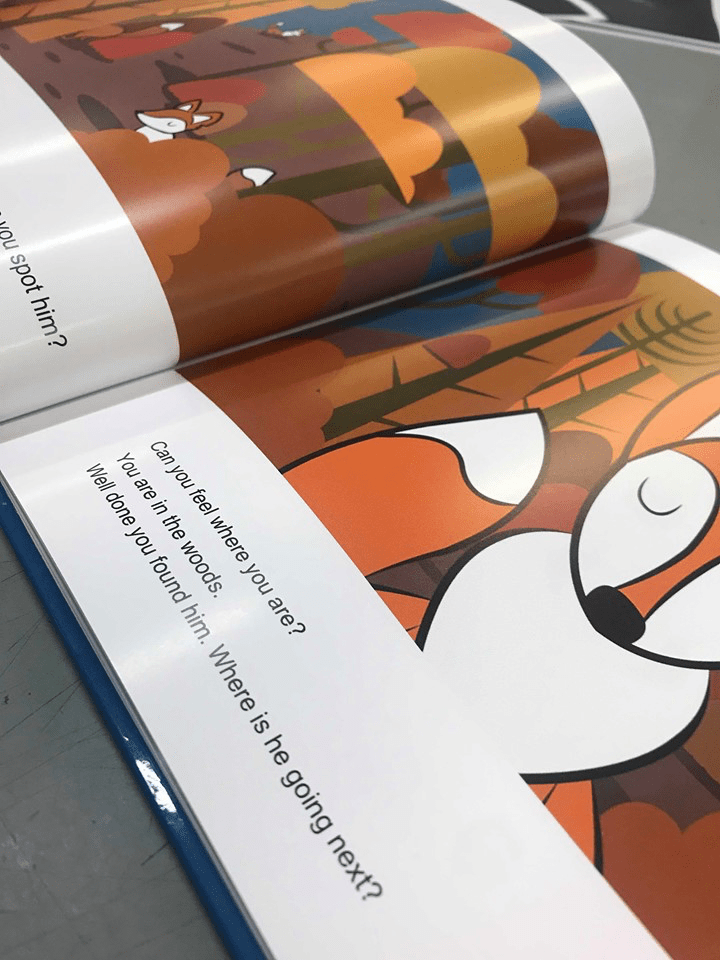


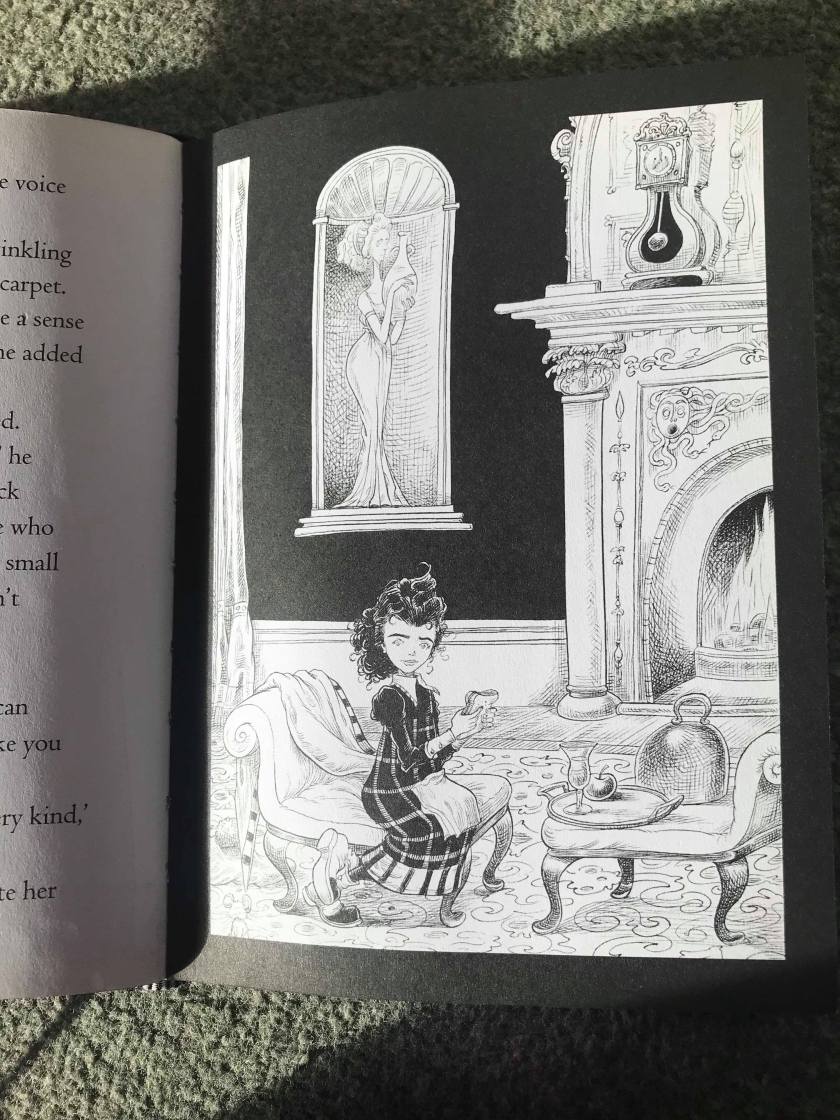


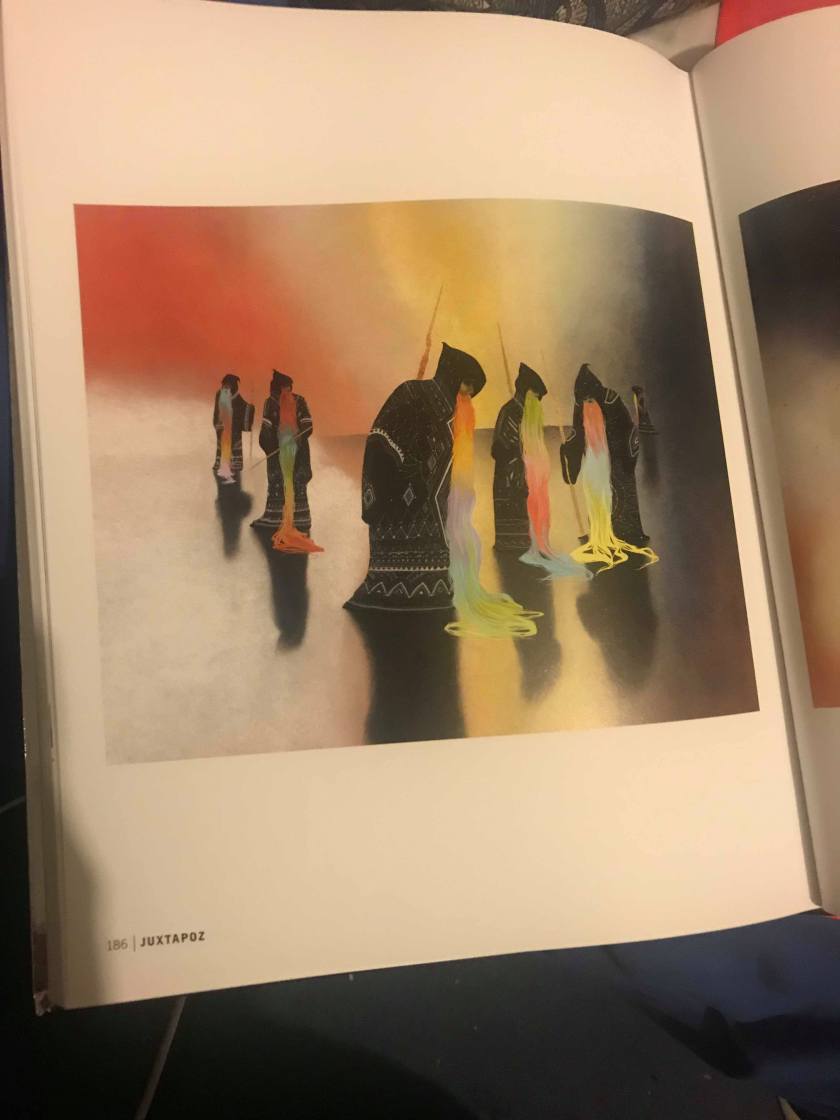



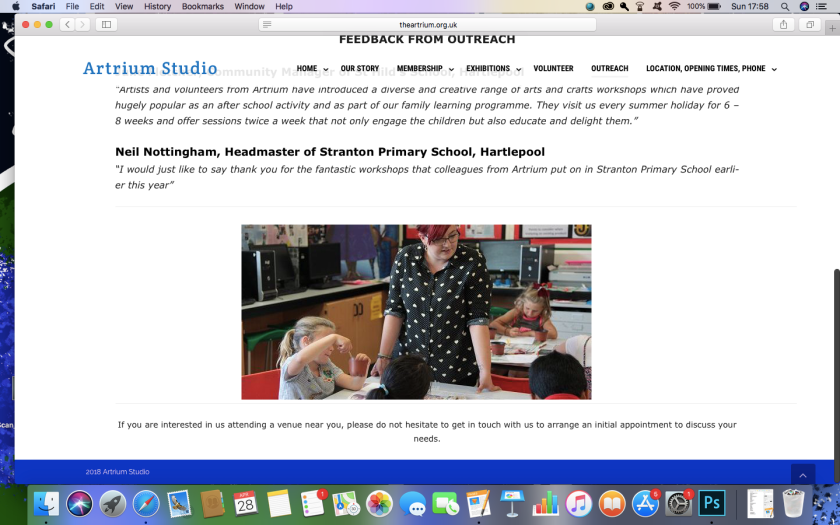
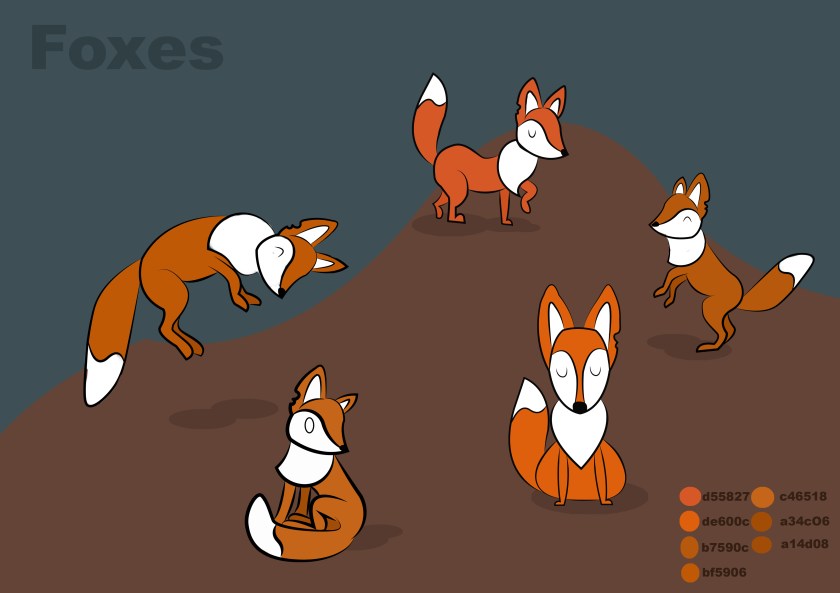
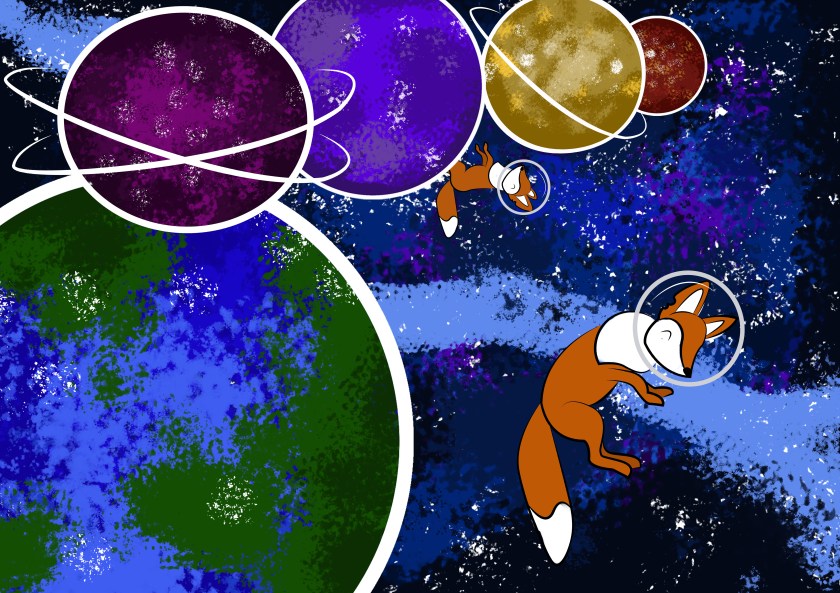


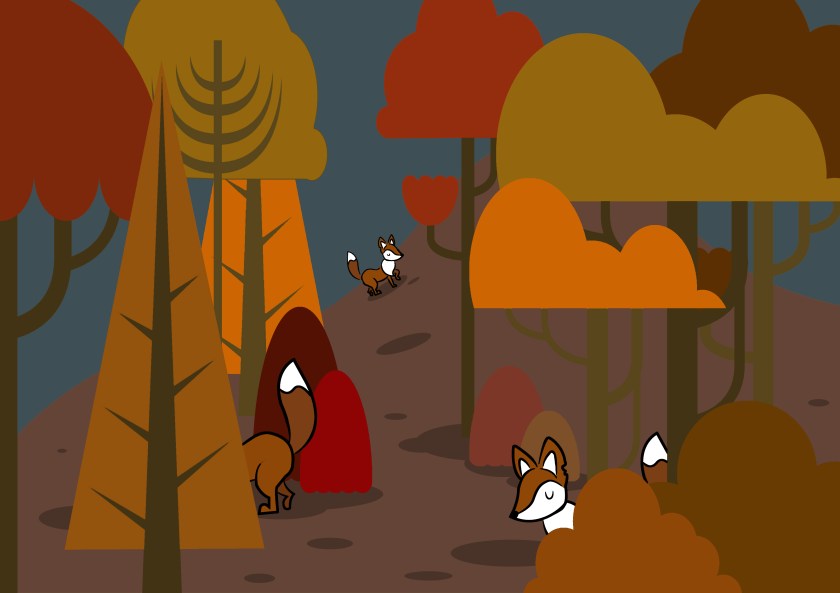


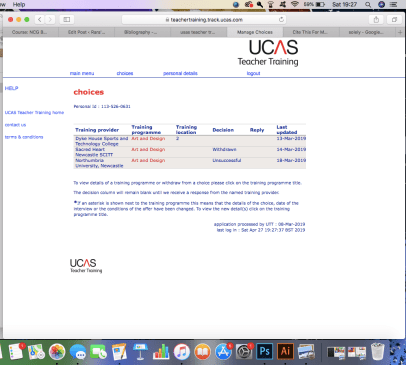 as I have show here. As you can also see I did attend my interview at Northumbria University but my experience there didn’t make me comfortable. The way they interviewed you didn’t make you feel prepared as their “Interview pack” was so hard to understand or know what they want from you. The ideal aspects that I gathered from them is that digital art doesn’t seem to be the highlight on their agenda. Seems as though I was the only illustrator in a room of 2 fine artists which by the way already attended the university. I found out that 2 days down the line I was unsuccessful. Not going to lie I was highly upset but luckily I applied for Newcastle College; Newcastle School Of Education.


 Rara's Blog